Behind the Scenes
18 posts

Behind 'Cold Summer': What a Season Feels Like When It's the Wrong Temperature
Cold Summer was built on a contradiction: all the energy of summer, none of the warmth. Here's how you hold two conflicting emotional temperatures at once in a single track.

Behind 'Spellbound': What It Means to Make Something Hypnotic
Spellbound wasn't designed to be hypnotic. That quality showed up when I stopped trying to control the loop and just let it run. Here's what the track is actually doing, and why the most important production decisions were about what not to include.
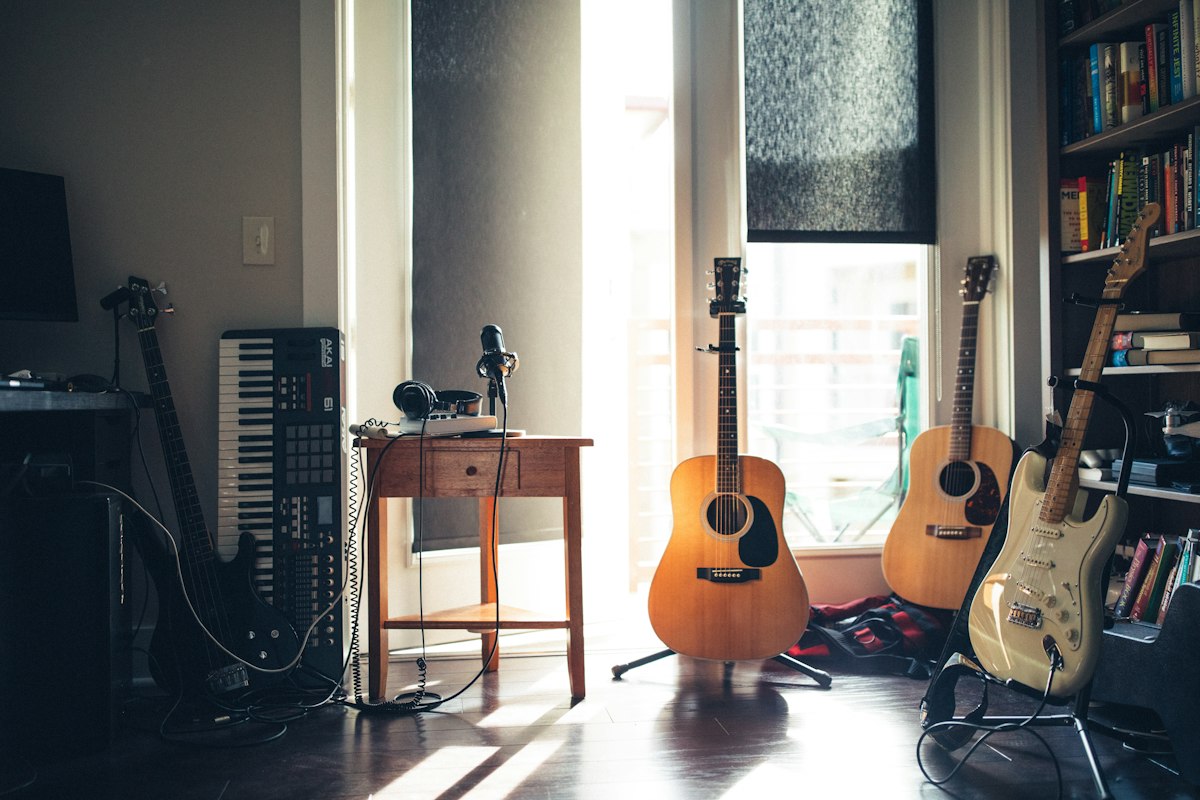
Behind 'Heavy Hitter': Making Something That Hits Without Trying to Hit
Heavy Hitter wasn't designed to be massive. It was designed to feel like one specific thing. The irony is that the track that wasn't trying to hit anything ended up being one of the most direct things I've made.
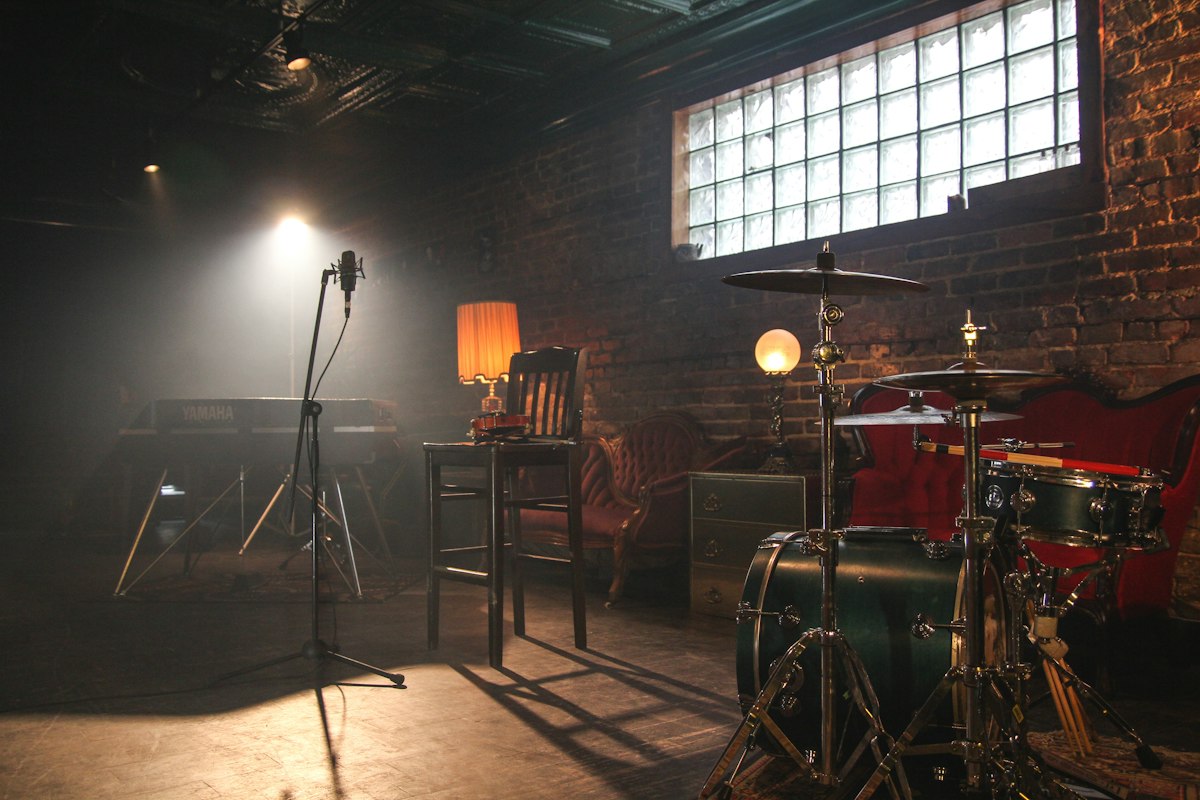
Behind 'HiJinK 2': Why Sequels Are a Bad Idea (And Why I Made One Anyway)
Sequels are a trap. You either make something too similar and disappoint people who wanted something new, or too different and disappoint people who loved the first one. HiJinK 2 was a genuine attempt to escape that trap. I'm not sure it fully worked. But the attempt taught me something.

Behind 'Bad Cousin': The Character Showed Up and I Just Let Her Run
Bad Cousin wasn't planned as a character study. But the moment I locked the groove in, someone walked into the track and refused to leave — confident, unapologetic, a little chaotic. I stopped trying to control the direction and just followed her.
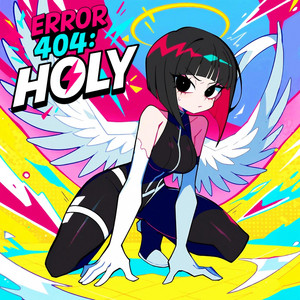
Behind 'Error 404: Holy': When Sacred Things Return a 404
Error 404: Holy is built around one question: what does it sound like when something sacred fails silently? Not collapse, not fire — just a quiet 404. Page not found.
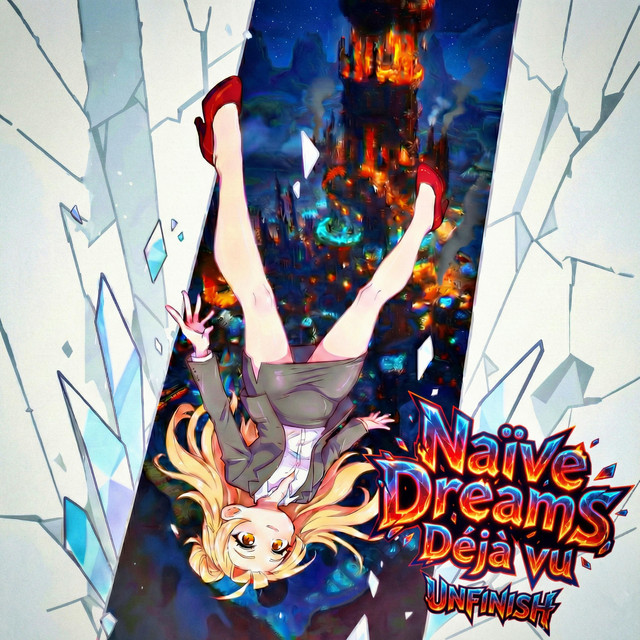
Behind 'Naïve Dreams: Déjà vu': When the Feeling Comes Back Around
Naïve Dreams: Déjà vu is a direct continuation of the original — but not a sequel. It's the same feeling, revisited from a different angle. Here's what changed and what didn't.
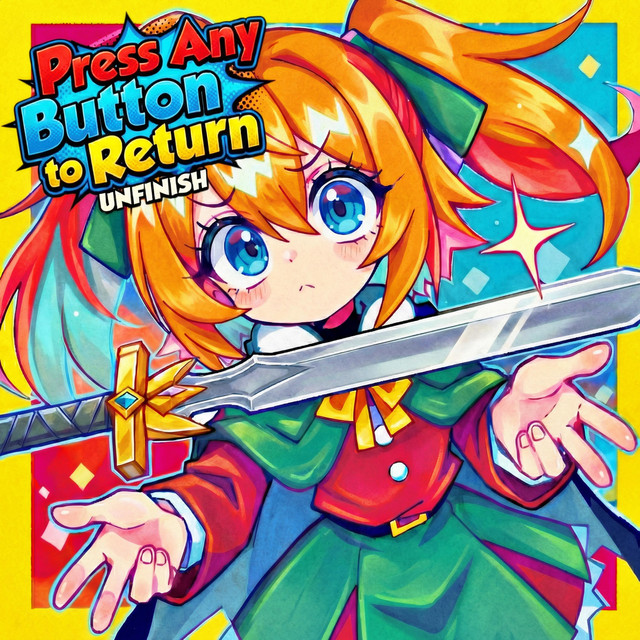
Behind 'Press Any Button to Return': The Loading Screen as an Emotional State
Every game has a loading screen. Most people see through it. This track is about the people who pause there — and what 'Return' means when you're not sure what you're returning to.

Behind 'Forbidden Shaman': Why the Dirtiest Sound in the Track Was the Whole Point
The (Nasty) in the title isn't a genre tag. It's a warning. Forbidden Shaman started as a meditation on ritual and ended as the loudest, most aggressive thing I'd made in years — and the two aren't in conflict.
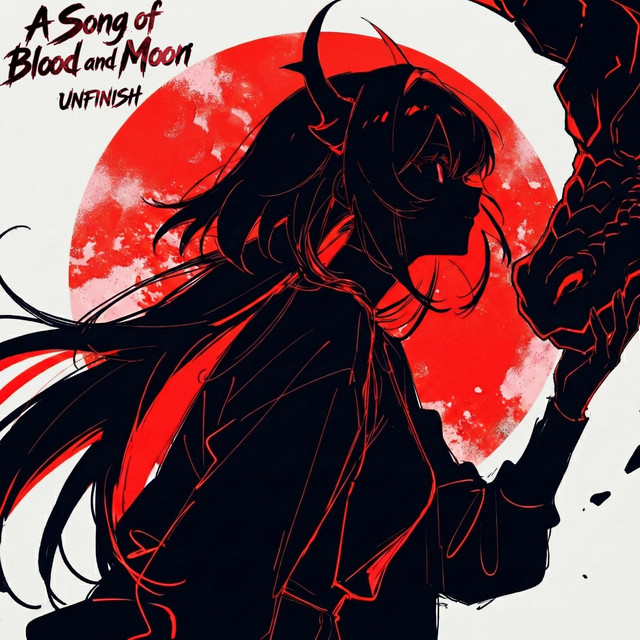
Behind 'A Song of Blood and Moon': Writing Darkness in a Major Key
Dark themes in minor keys is the easy route. A Song of Blood and Moon was an experiment in writing something that sounds expansive and bright while carrying something heavier underneath — the way certain kinds of grief do.
Behind 'Arcade of Us': A Coin, a Stranger, and Two Melodies That Weren't Supposed to Fit
Old school arcades. You put in a coin, someone jumps on 2P, and you clear the game together without saying a word. Arcade of Us started with that feeling and turned into something I didn't see coming.
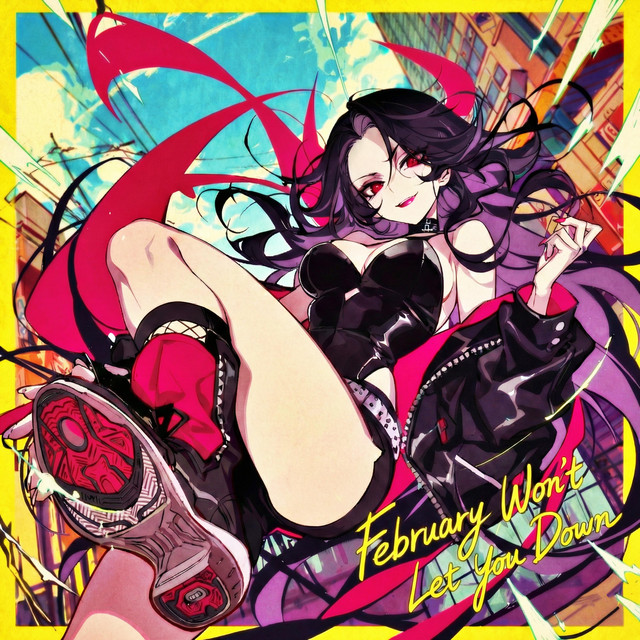
Behind 'February Won't Let You Down': Making a Promise You're Not Sure You Can Keep
February is the hardest month to love. This track started as a dare — could I make something that genuinely felt like a promise that things would hold together? I'm still not sure I succeeded. But I finished it in February, and it's still February.
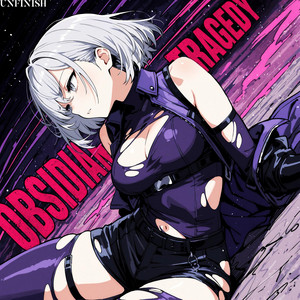
Behind 'Obsidian Tragedy': The Track That Refused to Be Resolved
Most tracks want to resolve. Obsidian Tragedy didn't. It kept resisting every ending I gave it — until I stopped trying to fix it and let it stay broken.
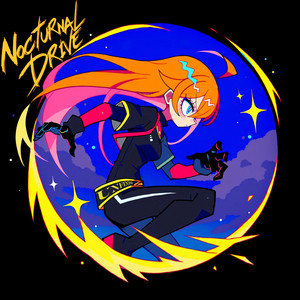
Behind 'Nocturnal Drive': Making a Track That Moves at 3 AM
Nocturnal Drive is a track about movement — about the specific feeling of being in a city at night when everything feels possible and slightly unreal. Here's how it came together.
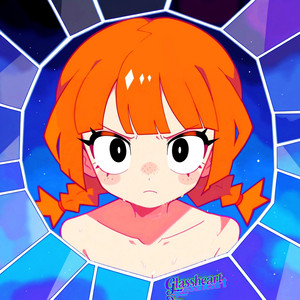
Behind 'Glassheart': When the Song Already Knows What You're Afraid Of
Glassheart started as an accident — a chord progression I almost deleted. Here's why I kept it, and what it ended up being about.
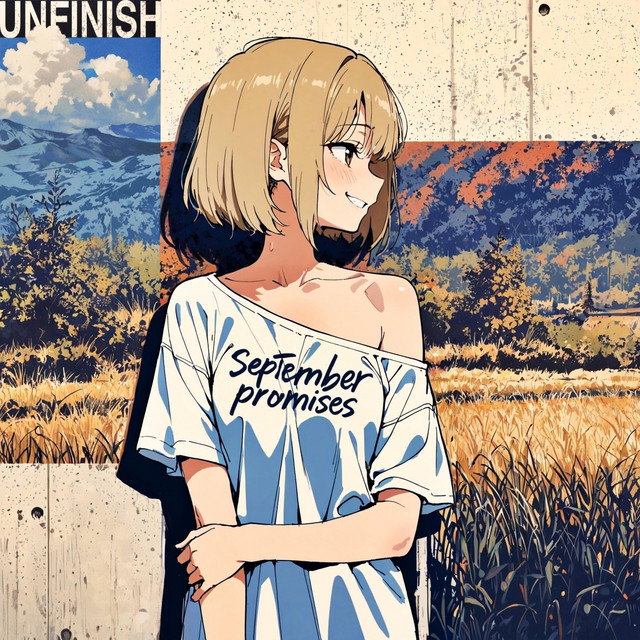
Behind 'September Promises': Writing a Track That Sounds Like an Ending
September Promises was written during a stretch when I was thinking a lot about things that don't finish cleanly. Here's how that became a track.
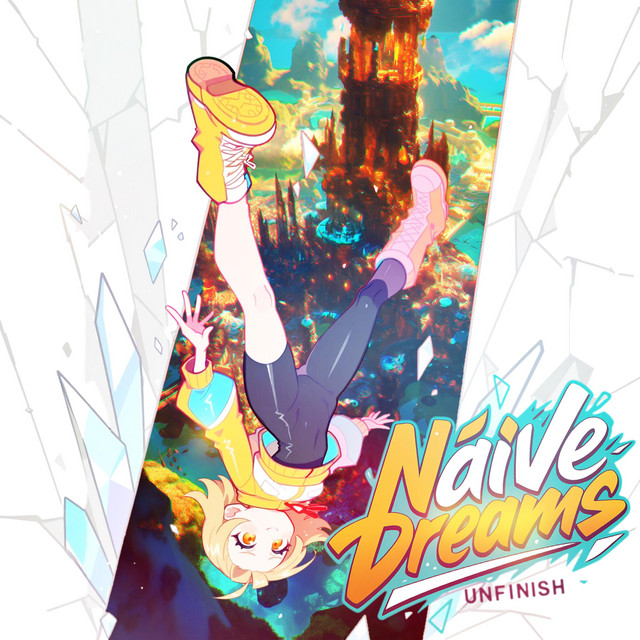
Behind 'Naïve Dreams': Starting From a Feeling I Couldn't Name
Naïve Dreams started as a late night session that wasn't supposed to be anything. Here's how it went from a random arp loop to the most personal track I've released in a while.
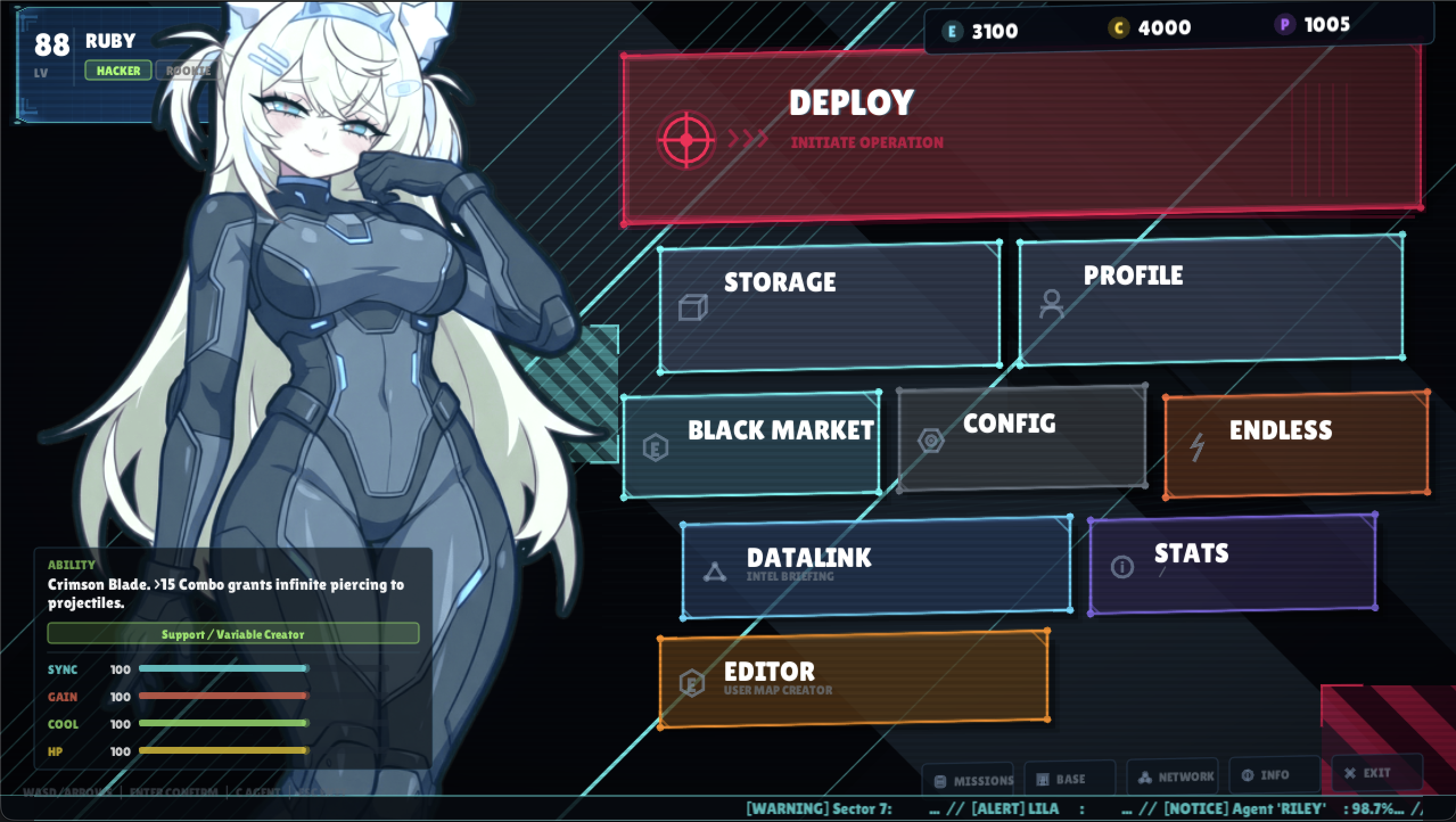
STIGMA Dev Update: Feb 22 - The Biggest Overhaul Yet
STIGMA gets its biggest overhaul yet. We moved from 4-lane rhythm to typing rhythm defense, added massive ASCII art combat, revamped every UI screen, and we're targeting a March 2026 release on Steam.